Passenger Transfers
Flight-synchronized private and shared transfers, seamless baggage staging, real-time driver dispatch, and dedicated meeting portals designed to eliminate terminal exit confusion.
We coordinate curbside dwell times, passenger transfer fleets, on-demand staff logistics, and specialized mobility assistance across high-density airport access routes.
Airport ground transportation demands strict coordination between flight scheduling, road network congestion, passenger accessibility requirements, and curbside dwell control.
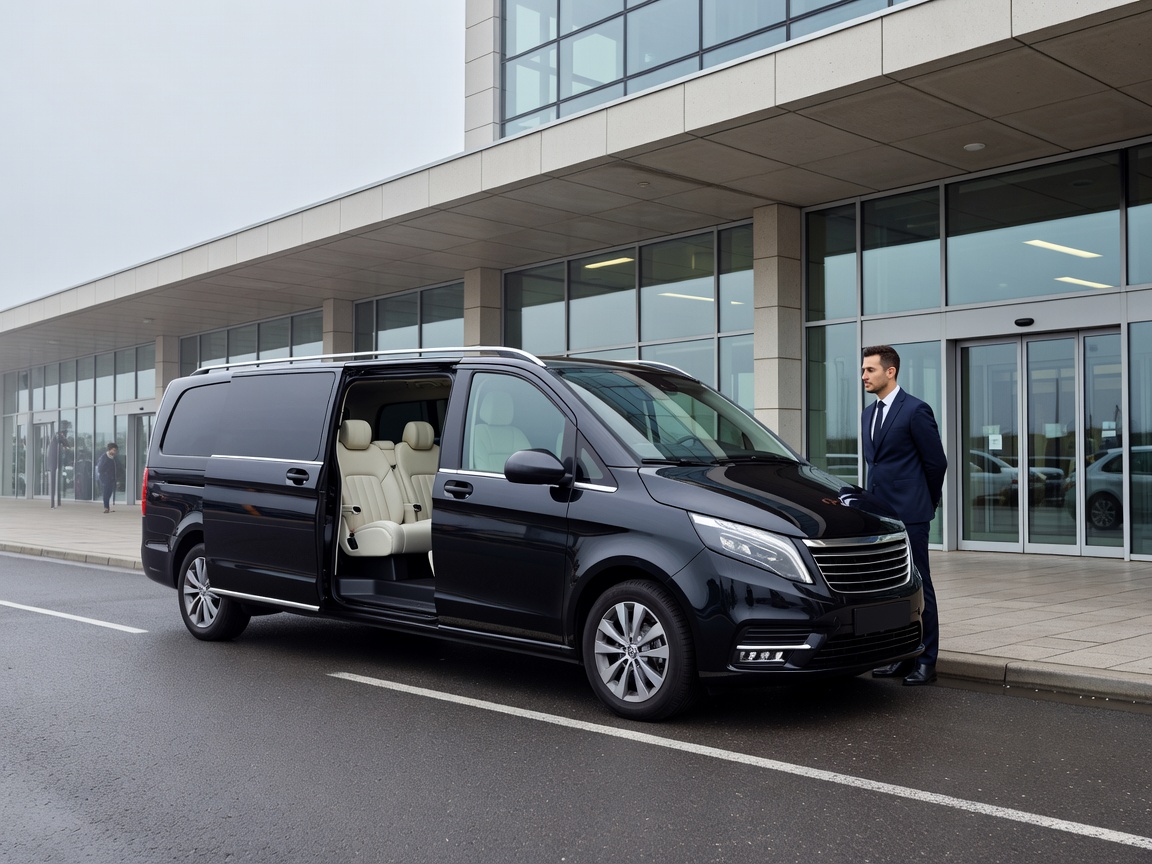
Flight-synchronized private and shared transfers, seamless baggage staging, real-time driver dispatch, and dedicated meeting portals designed to eliminate terminal exit confusion.
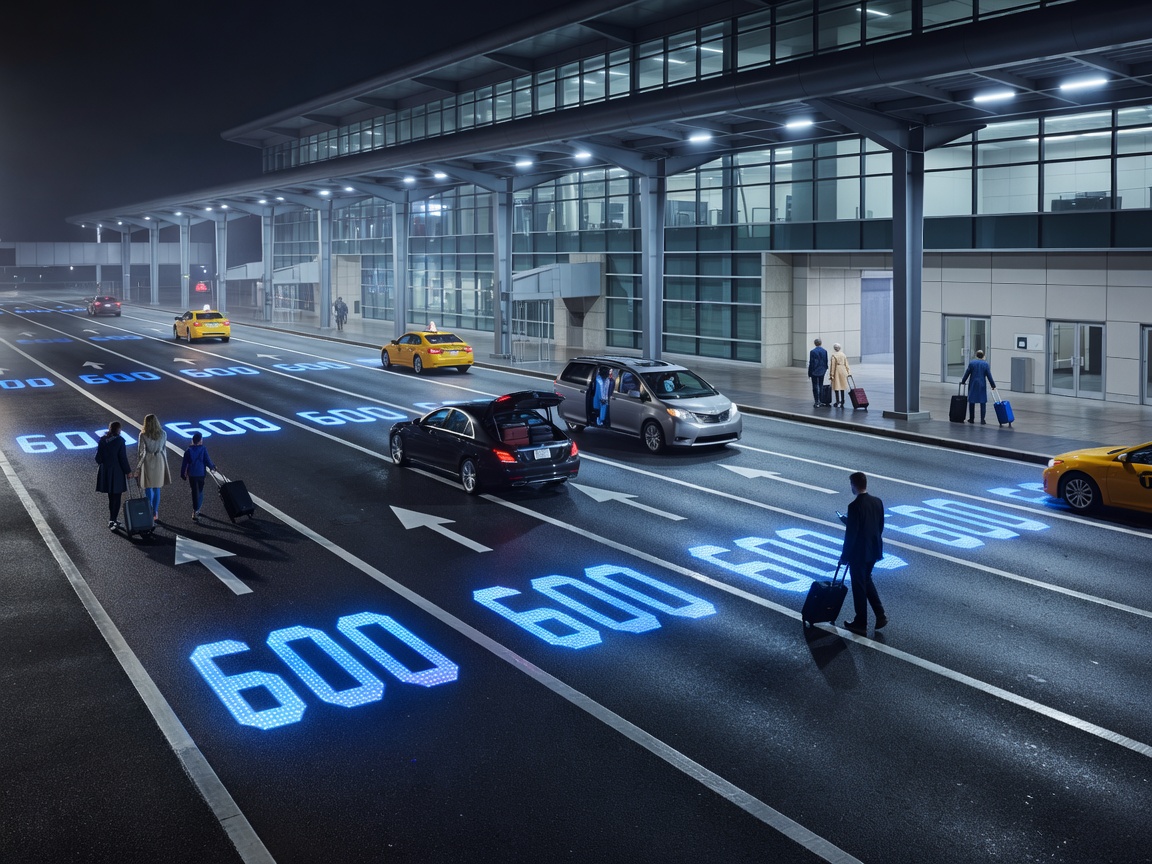
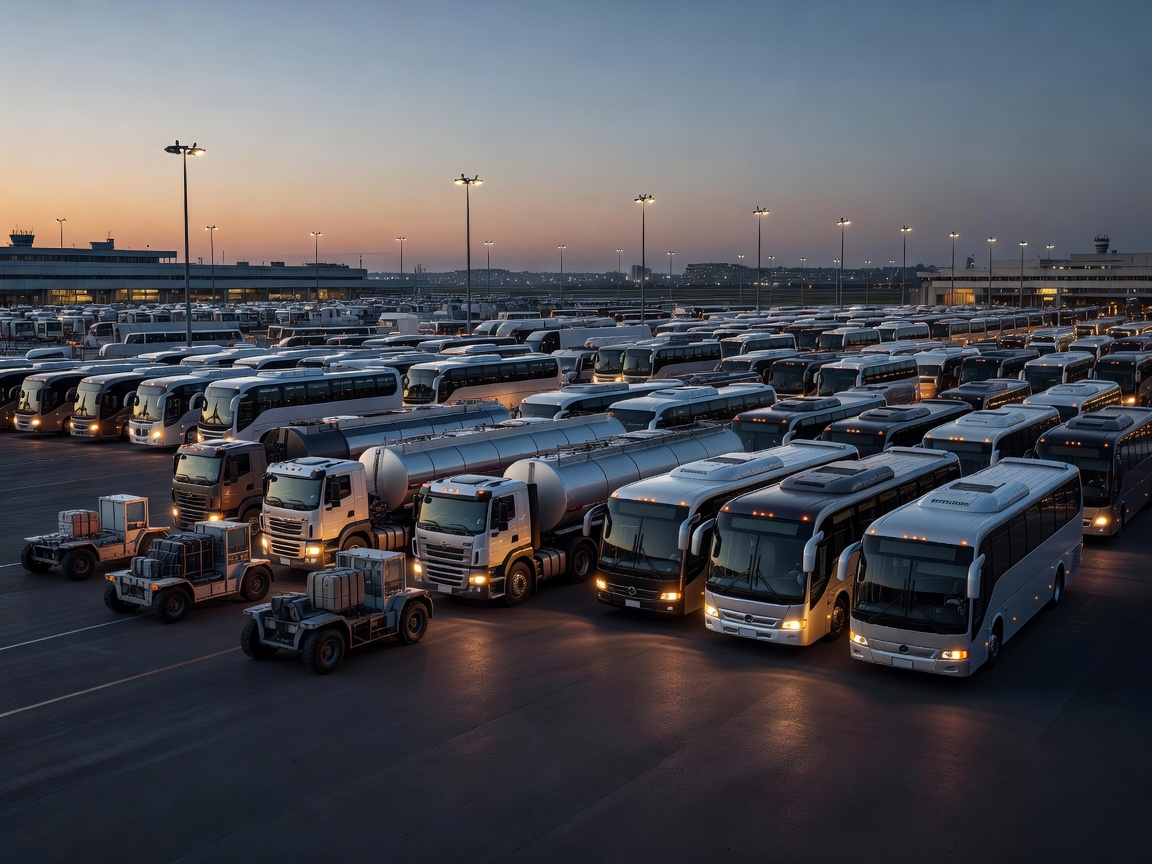
Remote holding pens, just-in-time terminal call-forward procedures, telematics management, and driver changeover logistics built to avoid bottlenecking airport approach roads.
Dwell time suppression, lane zoning, wayfinding integration, and enforcement coordination that keep arrivals and departures forecourts fluid even during flight bank surges.
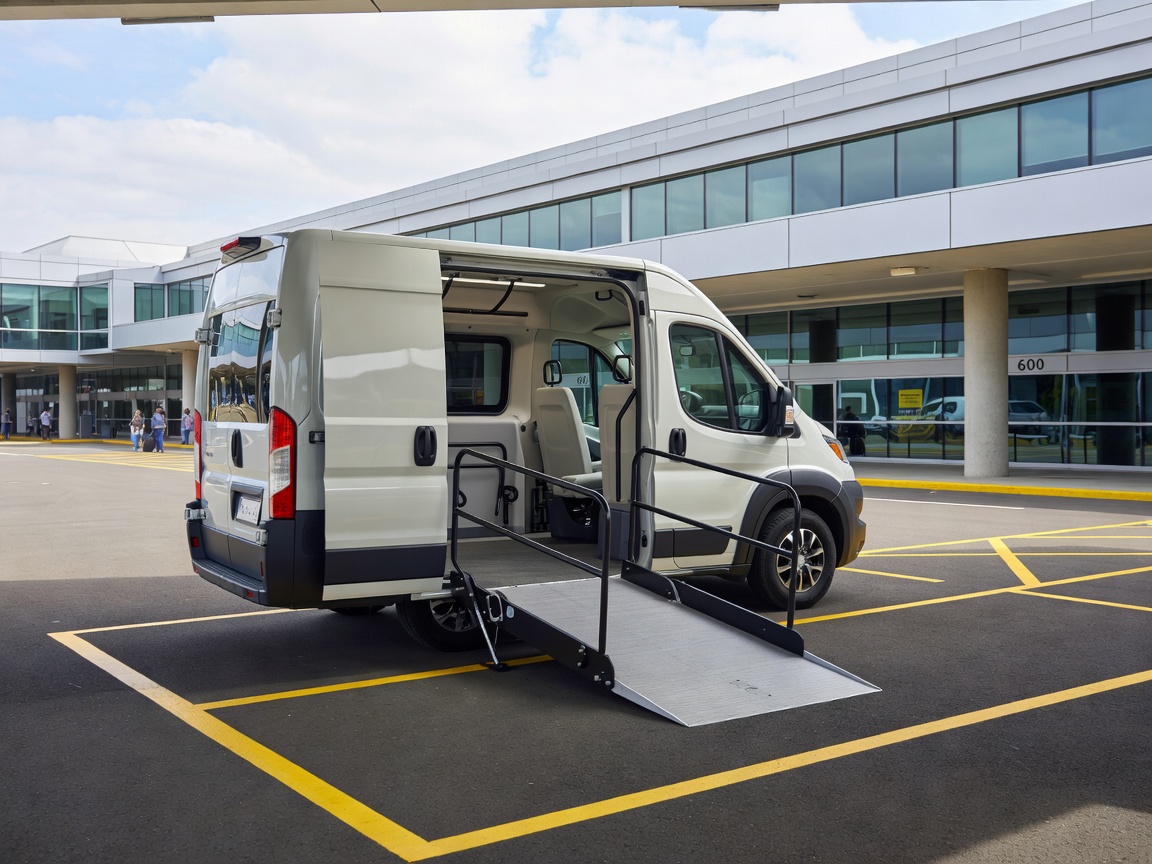
Specialized Persons with Reduced Mobility (PRM) ground transport, motorized wheelchair stowage, low-floor ramp boarding, and calm, predictable meeting points for vulnerable travelers.
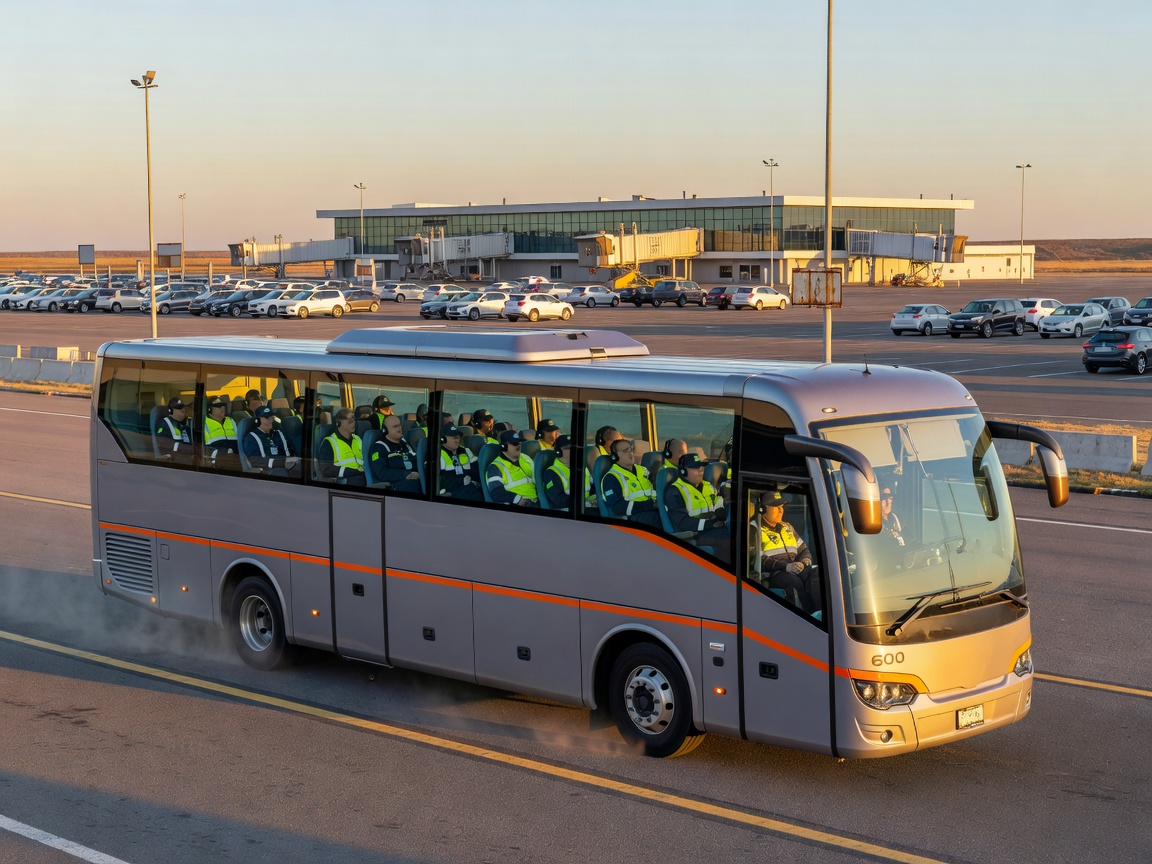
High-frequency airside/landside workforce transport, shift-change shuttle optimization, remote staff car park links, and emergency bad-weather staff dispatch networks.
Select a movement classification to review tailored dispatch workflows, curbside dwell guidelines, and luggage staging parameters.
Inner express lane; strict 3-minute dwell maximum. Vehicle remains in staging lot until passenger sends luggage-retrieved signal.
Pre-staged in Landside Staging Pen West. Dispatched when passenger crosses terminal customs threshold.
Driver equipped with automated flight tracking app; digital flight number placard displayed at designated arrivals pillar.
Automatic 45-minute flight delay grace period before vehicle re-sequencing occurs.
Review how staged fleets cycle between remote holding lots, express pickups, passenger transit, and return loops.
| Unit ID | Vehicle Class | Assigned Zone | Operational State | Flight Link | Dwell / Staging Timer |
|---|---|---|---|---|---|
| FL-108 | Executive Sedan (Zero Emission) | Staging Pen West | Available | Standby (LH-452 sync) | Dwell: 0m (Holding) |
| FL-204 | High-Capacity Shuttle (8-Pax) | Spur B inbound | En Route | AF-1842 | ETA 4 min to Pillar 7 |
| FL-319 | Low-Floor PRM Transporter | Arrivals Curbside Bay 12 | At Pickup | BA-902 | Active Loading (2m remaining) |
| FL-142 | Premium Minivan (Luggage Heavy) | Terminal 2 Loop | Assigned | KL-1020 | Approaching Forecourt Lane 2 |
| FL-501 | Staff Commuter Coach (32-Pax) | Crew Parking East | Available | Shift Change Schedule | Departing in 12 min |
* Status indicators represent illustrative operational states across European terminal ground networks.
When flights land on schedule, the average commercial traveler expects to step out of the baggage reclaim hall and into an idling vehicle within four minutes. However, if four wide-body flights touch down simultaneously, forecourt capacity reaches saturation in less than eleven minutes unless vehicles are strictly marshaled in remote buffer lots.
At rankbasketprismerprts.makeup, we evaluate airport ground transportation not as isolated vehicle trips, but as a continuous fluid system. The primary friction points are rarely the vehicles themselves; they are dwell-time creep, poorly positioned meet-and-greet marshals, confusion between baggage carousels and exit doors, and conflicting queues between private transfers, public shuttles, and airport crew buses.